


5 Signs Your Drywall Needs Replacement Instead of Repair

Updated: May 14

Drywall damage is one of the most common issues homeowners face. Small dents, nail holes, and minor cracks can usually be repaired quickly, but some problems go much deeper than the surface.
Knowing when drywall should be repaired versus fully replaced can save you money, prevent future damage, and protect your home from larger structural issues.
At SCV Reno Team, we help homeowners across London identify drywall problems before they become expensive repairs. Here are the top signs your drywall may need replacement instead of a simple patch job.
1. Water Damage and Stains
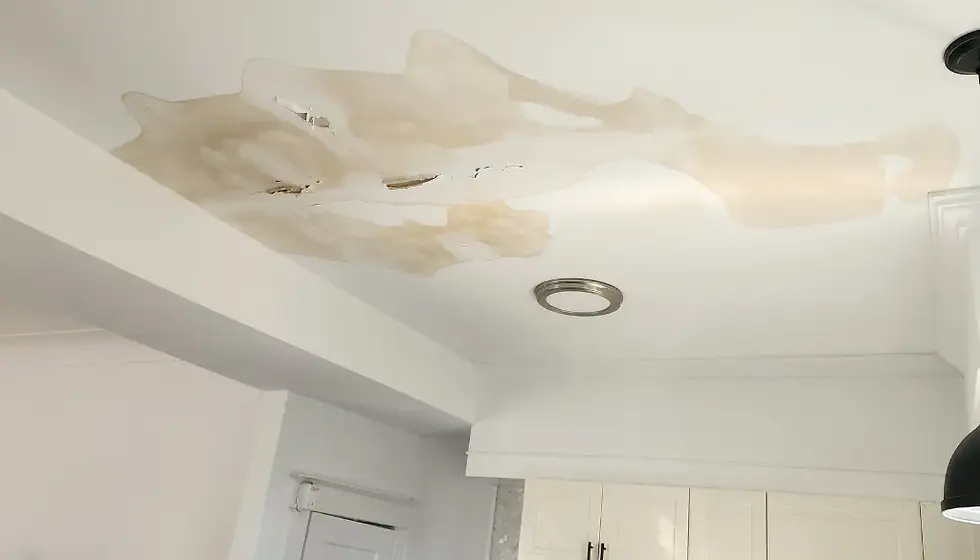
One of the biggest warning signs is water damage.
Brown stains, bubbling paint, sagging drywall, or soft spots usually mean moisture has entered the wall or ceiling. Even if the surface looks dry later, moisture can weaken the drywall internally and create the perfect environment for mold growth.
Common causes include:
Roof leaks
Plumbing leaks
Basement moisture
Bathroom humidity
Flooding
In many cases, damaged drywall loses its structural integrity and cannot simply be patched.
Signs of Severe Water Damage in drywall
Soft or crumbling drywall
Sagging ceilings
Peeling paint
Musty smell
Visible mold spots
If moisture has been sitting inside the wall for too long, replacement is often the safest solution.
2. Large Cracks or Structural Movement

Small hairline cracks are normal over time, especially in newer homes settling slightly. However, large cracks can indicate more serious structural movement.
Warning signs include:
Cracks wider than 1/8 inch
Cracks spreading across ceilings and walls
Reappearing cracks after repairs
Doors and windows sticking nearby
When drywall continues cracking repeatedly, patching alone usually will not solve the issue. Sections may need replacement after the underlying structural problem is corrected.
3. Mold Growth Behind the Walls

Mold is a serious issue that should never be ignored.
Drywall absorbs moisture easily, and once mold grows inside the material, cleaning the surface is often not enough. Mold spores can continue spreading behind the walls even if the visible spots disappear temporarily.
Signs of mold inside drywall include:
Dark spotting
Musty odors
Allergy symptoms indoors
Soft drywall texture
Previous water damage history
In these situations, removing and replacing affected drywall is usually necessary to fully eliminate contamination and prevent future health risks.
4. Multiple Failed Drywall Repairs
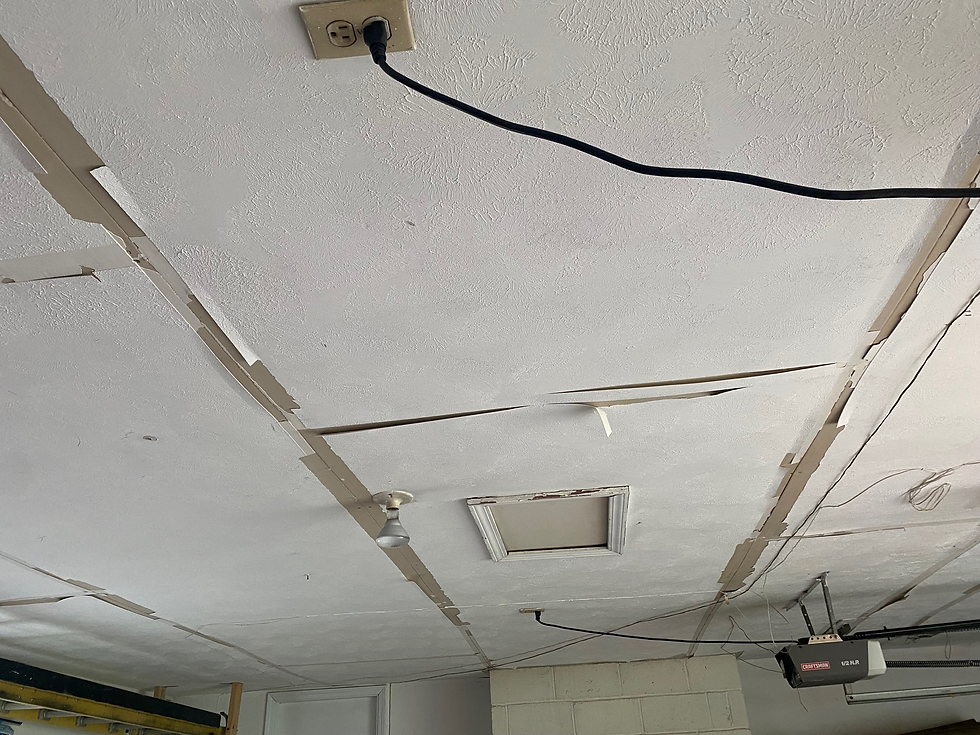
If the same area has been patched several times and continues showing cracks, dents, or uneven surfaces, the drywall may simply be too damaged to repair properly anymore.
This commonly happens with:
Poor previous installations
Low-quality taping work
Repeated moisture exposure
Excessive wall damage
Improper sanding and finishing
Sometimes homeowners spend more money repeatedly repairing drywall than replacing the damaged section correctly the first time.
Professional replacement creates:
A smoother finish
Better durability
Stronger seams
Improved appearance before painting
5. Severe Holes or Impact Damage

Small holes from nails or minor accidents are easy repairs. But larger holes can compromise the strength of the wall entirely.
Common causes include:
Furniture impacts
Door handle damage
Renovation demolition
Electrical or plumbing work
Accidental wall damage
When drywall is badly broken, cracked around the edges, or missing large sections, replacement becomes the better long-term solution.
Professionally replacing damaged drywall ensures:
Strong wall support
Proper insulation coverage
Clean finishing
Better paint appearance
Repair vs Replacement: Which Is More Cost Effective?
Many homeowners assume repairs are always cheaper, but that is not always true.
If drywall damage is extensive, repeated patching can:
Take more labor
Create uneven textures
Require constant repainting
Fail again later
Replacing damaged sections often provides a cleaner, longer-lasting result that saves money over time.
A professional inspection can determine which option makes the most sense for your home.
Why Professional Drywall Installation Matters
Proper drywall replacement is more than simply installing a new sheet.
Professional finishing includes:
Accurate measurements
Secure fastening
Proper joint taping
Smooth sanding
Seamless blending
Primer and paint preparation
Poor drywall finishing becomes extremely noticeable once painted, especially under lighting.
At SCV Reno Team, we focus on delivering smooth, professional finishes that blend naturally with the rest of your home.
Need Drywall Repair or Replacement in London, Ontario?
Whether you are dealing with water damage, cracks, holes, or full renovation work, our team can help restore your walls and ceilings professionally and efficiently.
We provide:
Drywall installation
Drywall taping and finishing
Ceiling repairs
Water damage restoration
Interior painting
Basement renovations
Contact SCV Reno Team today for a free estimate and let us help bring your walls back to life.

Comments